

TL;DR:
- Many residential lighting myths stem from outdated fluorescent technology, leading homeowners to misconceptions about LEDs.
- In reality, LEDs are cost-effective long-term, with high CRI and proper layering vastly improving room brightness and ambiance.
Residential lighting myths are false beliefs about how light bulbs, fixtures, and design choices work in the home. These misconceptions cost homeowners money, comfort, and curb appeal every year. Many of the most persistent myths about home lighting originated with fluorescent and CFL technology, which behaves very differently from modern LEDs. The U.S. Department of Energy (DOE) and LEDVANCE have both published guidance that contradicts what most people assume about brightness, colour temperature, and energy use. Getting the facts right changes the quality of every room in your house.
1. Residential lighting myths debunked: LEDs are too expensive
The most common myth in residential lighting is that LED bulbs cost too much. The upfront price is higher than incandescent, but the lifetime cost is dramatically lower. 90% of U.S. households now use LED bulbs for indoor lighting, with 37% relying exclusively on LEDs. That level of adoption does not happen unless the economics make sense for ordinary families.
The real comparison is not sticker price. It is total cost over the bulb's life, including electricity and replacement frequency. LEDs last significantly longer than incandescent or CFL bulbs and use a fraction of the wattage to produce the same light output. For homeowners considering an upgrade, understanding LED lifespan and performance is the clearest way to see why the initial investment pays off.
- LEDs use roughly 75% less energy than incandescent bulbs for equivalent brightness
- A single LED can last 15,000 to 50,000 hours compared to 1,000 hours for a standard incandescent
- Lower heat output from LEDs also reduces cooling costs in summer months
- Quality LEDs from established manufacturers maintain consistent colour and brightness throughout their lifespan
The myth that LEDs look cheap or produce harsh light is equally outdated. Modern LEDs are available across the full colour temperature spectrum and at CRI ratings that rival natural daylight.
2. Warmer colour temperature always means better light
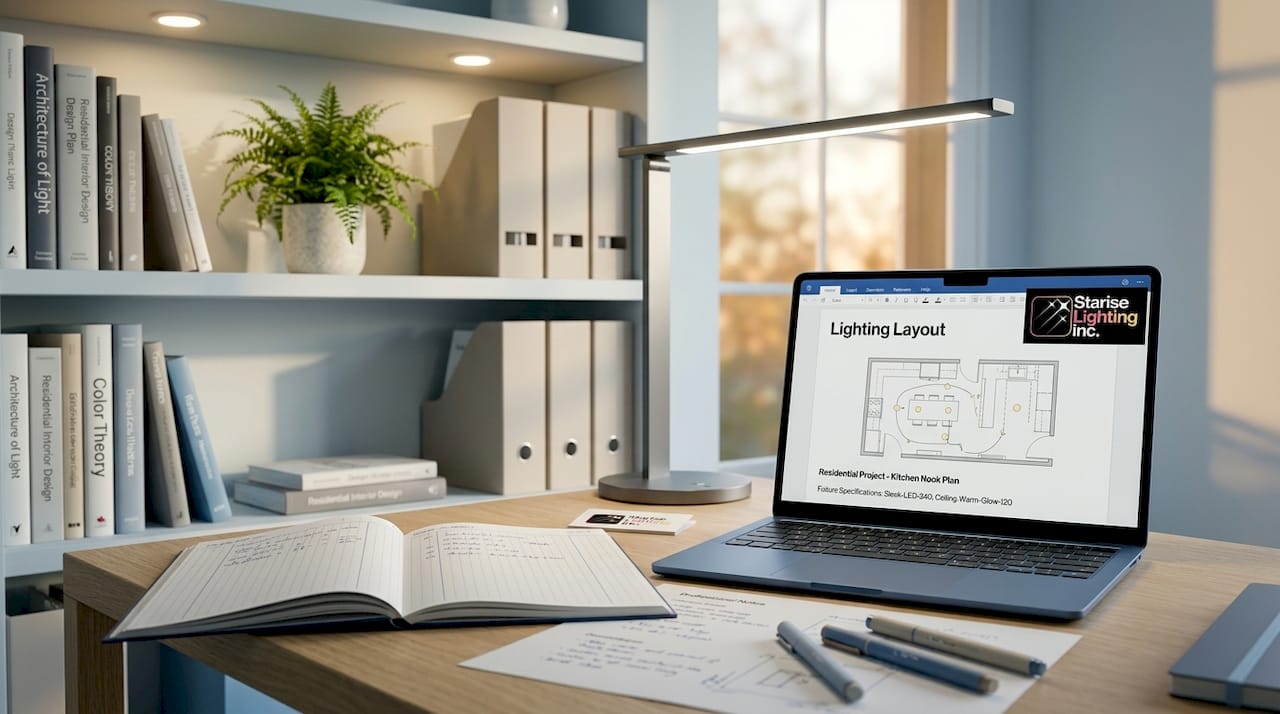
Colour temperature and colour rendition are two separate concepts, and confusing them is one of the most frequent lighting mistakes homeowners make. Colour temperature is measured in Kelvin (K) and describes whether light appears warm (yellowish) or cool (bluish). Residential indoor lighting typically falls between 2700 K and 3600 K, with warmer tones preferred in living spaces and cooler tones suited to task areas.
Colour rendition, measured by the Colour Rendering Index (CRI), describes how accurately a light source shows the true colours of objects compared to natural sunlight. A bulb can be very warm at 2700 K and still have a low CRI, making colours look washed out or inaccurate. The DOE's Energy Saver programme identifies CRI over 80 as acceptable for most residential use, with higher values producing more natural colour appearance.
Pro Tip: When choosing bulbs for a kitchen or bathroom, prioritise a CRI of 90 or above over simply picking the warmest Kelvin value. You will see food, skin tones, and surfaces far more accurately.
- 2700 K to 3000 K: warm white, ideal for bedrooms and living rooms
- 3000 K to 3600 K: neutral white, suited to kitchens and home offices
- CRI 80+: acceptable for general use
- CRI 90+: recommended for spaces where colour accuracy matters
For more on how warm white LEDs function in different rooms, the Co-starise guide on warm white LEDs breaks down the practical choices clearly.
3. Turning lights on and off wastes energy or damages bulbs
This myth has a real origin. With older fluorescent and CFL technology, frequent switching did shorten bulb life and the energy surge at startup was measurable. That logic does not transfer to LEDs. Turning LEDs on and off does not harm them and saves energy compared to leaving them running. Popular Science confirmed this directly, noting that the fluorescent-era advice to leave lights on is simply wrong for modern bulbs.
The practical implication is straightforward. If you leave a room for more than a few seconds, turning off the light saves electricity with no penalty to the bulb. There is no warm-up period, no harmful surge, and no meaningful reduction in lifespan from normal switching patterns.
Pro Tip: Install occupancy sensors in hallways, bathrooms, and garages. They eliminate the habit question entirely and consistently cut lighting energy use without any effort on your part.
- LEDs reach full brightness instantly with no warm-up delay
- Switching frequency does not measurably reduce LED lifespan under normal residential use
- Leaving a light on when a room is empty wastes electricity with no offsetting benefit
- Motion-activated controls are the most reliable way to capture these savings automatically
For homeowners focused on maximising energy savings with LED technology, eliminating the "leave it on" habit is one of the simplest changes available.
4. More watts means brighter, better light
Wattage measures energy consumption, not light output. This distinction matters enormously when replacing bulbs or planning a room's lighting. The correct measure of brightness is lumens, which counts the actual light produced. Beyond lumens, illuminance, measured in lux or footcandles, tells you how much light reaches a surface in a specific space.
LEDVANCE's residential lighting guidance provides specific illuminance targets by room type. Buyers who focus on wattage instead of lux consistently end up dissatisfied with their lighting because they are measuring the wrong thing.
| Room | Recommended illuminance |
|---|---|
| Bedroom | 5 footcandles (50 lux) |
| Bathroom | 28 footcandles (300 lux) |
| Hallway | 3 footcandles (30 lux) |
| Kitchen (task area) | 50 footcandles (500 lux) |
A 10-watt LED can produce more lumens than a 60-watt incandescent. A 60-watt LED would be blinding in a bedroom and still potentially insufficient in a large, dark-walled kitchen if the fixture placement is wrong. Room geometry, surface colours, and fixture position all affect how much of that light actually reaches where you need it.
5. One ceiling fixture is enough for any room
Relying solely on a single overhead fixture is one of the most common design mistakes in residential lighting, and it produces the flat, shadowless look that makes rooms feel institutional rather than comfortable. Proper residential lighting requires layering: ambient light for general illumination, task light for focused activities, and accent light to highlight architectural features or artwork.
The problem with ceiling-only lighting is that it illuminates horizontal surfaces well but leaves vertical surfaces, walls, and faces in relative shadow. This makes rooms feel smaller and darker than they actually are, even when the lux level at floor height is technically adequate.
- Ambient lighting provides the base layer, typically from ceiling fixtures, recessed lights, or pendants
- Task lighting targets specific work areas: under-cabinet lights in kitchens, reading lamps beside chairs, vanity lights in bathrooms
- Accent lighting draws attention to features: picture lights, shelf lighting, exterior uplighting on landscaping
- Independent controls for each layer allow you to shift the room's mood without replacing any fixtures
"Layered lighting with control zones prevents glare and enables different lighting moods, unlike uniform on/off setups." — Homeworld Design
Ignoring vertical surface illumination is particularly costly. Walls reflect light back into a room, and a well-lit wall makes the entire space feel brighter. A single overhead bulb, no matter how powerful, cannot replicate this effect. The Co-starise guide on residential light placement covers fixture positioning strategies that address exactly this problem.
6. Dimmer switches work with any LED bulb
Dimmable LEDs require compatible dimmer switches, and mismatching them is a leading cause of flickering, buzzing, and premature bulb failure. Many LED dimming problems arise from pairing LED drivers with dimmers designed for incandescent loads. The electrical behaviour is different enough that an incompatible dimmer can damage the LED driver over time.
When purchasing dimmable LEDs, check the bulb's specification sheet for a list of compatible dimmer models. Manufacturers like Lutron and Leviton publish compatibility databases that match their dimmers to specific LED products. Installing the wrong dimmer is not just an annoyance. It shortens the life of bulbs you paid a premium for and undermines the energy savings you expected.
7. Outdoor lighting is purely decorative and adds little home value
Permanent outdoor lighting serves three measurable functions: security, curb appeal, and property value. A well-lit exterior deters opportunistic intrusion by eliminating the shadows that provide cover. Real estate professionals consistently note that exterior lighting is among the first things prospective buyers notice, and it shapes their perception of a home's quality before they step inside.
Modern permanent LED systems, such as those offered by Co-starise in Calgary and Edmonton, go well beyond seasonal string lights. Gen 2 24V LED technology produces millions of colour combinations, operates through a smartphone app, and is built to withstand Canadian winters. The 2026 modern lighting trends confirm that permanent architectural lighting is now a mainstream home improvement category, not a luxury add-on. For homeowners exploring high-end residential lighting, the return on investment case is straightforward: better kerb appeal, improved security, and a feature that buyers notice and value.
Key takeaways
Correcting residential lighting myths requires replacing wattage thinking with lux targets, CRI awareness, and layered design principles rather than simply swapping bulbs.
| Point | Details |
|---|---|
| LEDs are cost-effective | Lifetime savings far outweigh the higher upfront price, with 90% of households now using LEDs. |
| CRI matters more than Kelvin | A high CRI (90+) shows colours accurately; warm Kelvin alone does not guarantee quality light. |
| Switching off saves energy | Turning LEDs off when leaving a room saves electricity with no damage to the bulb. |
| Measure lux, not watts | Room illuminance targets (e.g., 300 lux for bathrooms) guide better choices than wattage figures. |
| Layer your lighting | Ambient, task, and accent layers with independent controls produce better results than one ceiling fixture. |
What working with homeowners on lighting taught me
Most lighting dissatisfaction I encounter comes down to one thing: homeowners made decisions based on what they remembered from 20 years ago. They avoided LEDs because they once saw a harsh fluorescent tube in a garage. They left lights on because someone told them switching was wasteful. They bought the highest-wattage bulb available and wondered why the room still felt dim.
The shift I see when homeowners start using lux targets and CRI ratings instead of watts is immediate. They stop guessing and start specifying. A bathroom that felt gloomy with a 100-watt incandescent equivalent becomes genuinely functional with a 90 CRI neutral white LED at the right fixture height. The bulb costs more. The result is incomparably better.
The outdoor lighting myth is the one that surprises people most. Homeowners consistently underestimate how much a well-designed exterior lighting scheme changes the way a property feels at night and how buyers respond to it. Permanent LED systems are not seasonal decorations. They are infrastructure, and they perform like it.
My honest recommendation: get a professional lighting consultation before making any significant changes. The cost of one conversation is far less than the cost of fixtures installed in the wrong positions or bulbs purchased without checking CRI. The data exists to make every lighting decision confidently. Use it.
— Starise
Upgrade your home's lighting with Co-starise
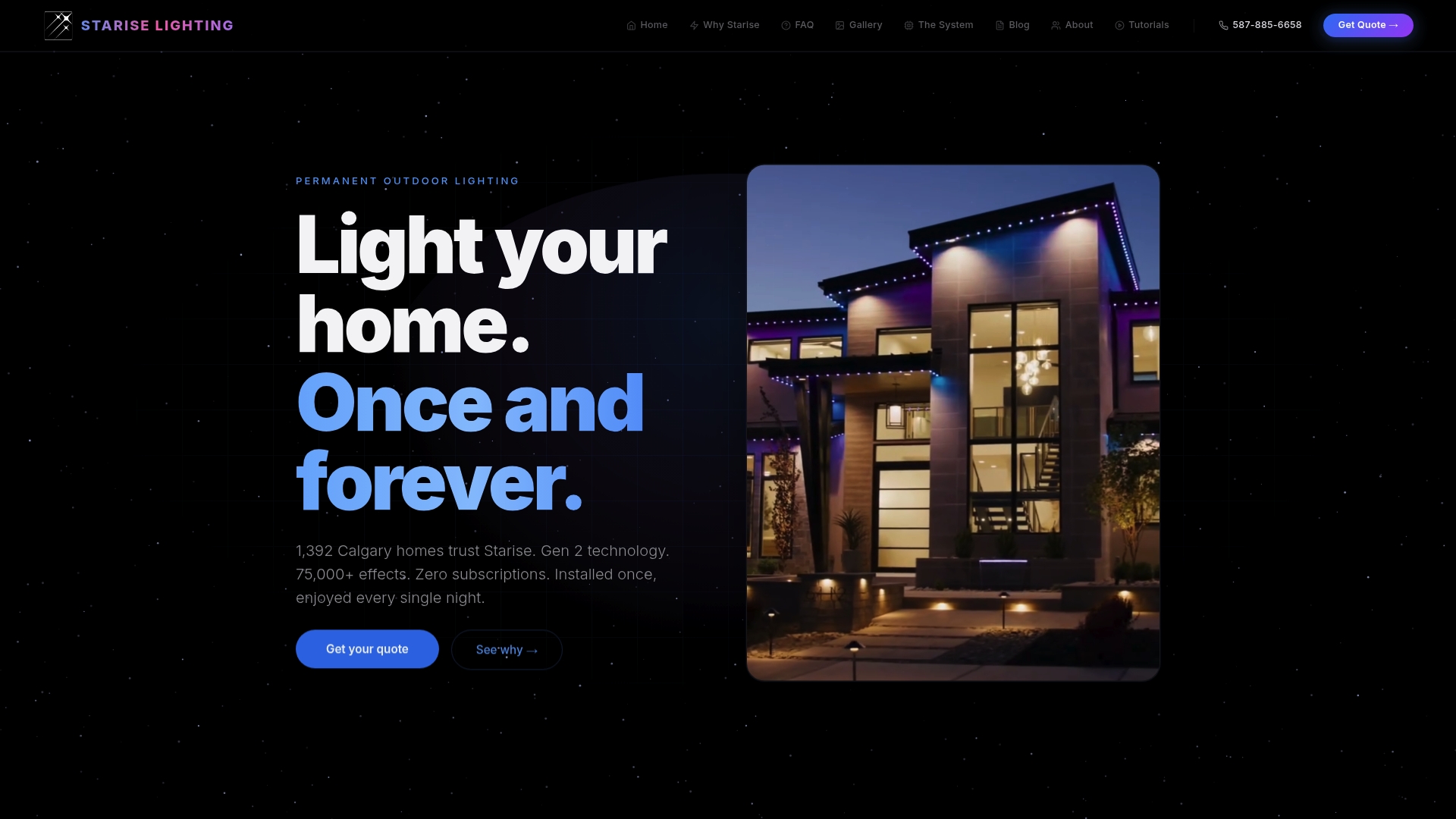
Co-starise designs and installs permanent outdoor LED lighting systems for homeowners in Calgary and Edmonton who want results that last. The Gen 2 24V system delivers precise colour control, app-based programming, and weatherproof construction built for Canadian conditions. Every installation is designed around the actual geometry of your home, not a generic template. If the myths in this article made you reconsider your current lighting setup, the next step is straightforward. Explore Co-starise's permanent lighting solutions or get a quote for Edmonton installations to see what modern exterior lighting can do for your property's value and security.
FAQ
Are LED bulbs really worth the higher upfront cost?
Yes. 90% of U.S. households now use LEDs, reflecting widespread recognition that lifetime energy and replacement savings far exceed the initial price difference compared to incandescent bulbs.
What colour temperature should I use in my bedroom?
The DOE recommends 2700 K to 3000 K for living and sleeping spaces, producing warm white light that supports relaxation. Pair it with a CRI of 80 or above for accurate colour rendering.
Does turning lights off and on really damage LEDs?
No. Unlike CFL bulbs, modern LEDs are unaffected by frequent switching and save energy every time you turn them off when leaving a room.
How do I know if my room has enough light?
Use lux or footcandle targets rather than wattage. LEDVANCE recommends 300 lux for bathrooms and 50 lux for bedrooms. A simple lux metre app on your phone gives a reliable reading.
Why does my room still feel dim even with bright bulbs?
A single overhead fixture leaves vertical surfaces unlit, which makes rooms feel smaller and darker. Adding layered lighting with task and accent sources, and illuminating walls directly, resolves this without increasing wattage.