
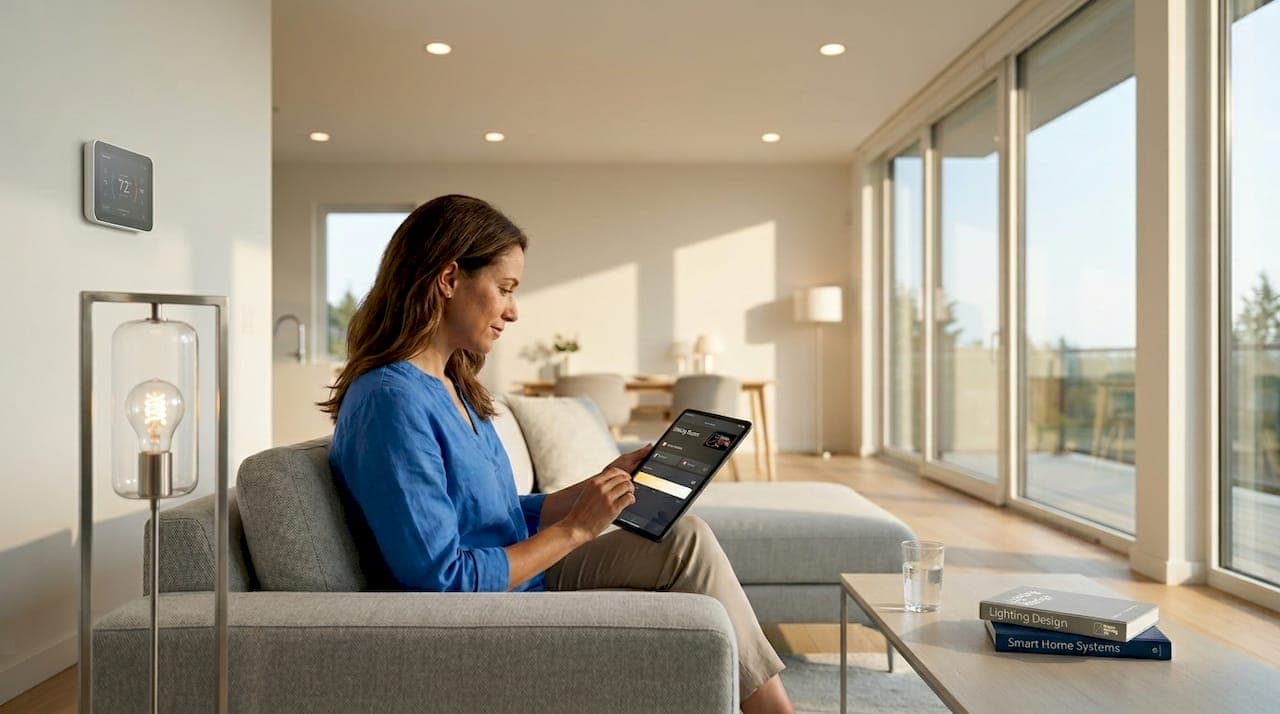
TL;DR:
- Smart lighting offers homeowners significant benefits beyond convenience, including energy savings, security improvements, and increased home resale value. Its automation systems respond proactively to daily routines through sensors, schedules, and app controls, creating safer, more aesthetic, and energy-efficient homes. Starting with simple smart dimmers can build habits and trust, leading to expanded, reliable, and maintenance-free smart lighting solutions over time.
Most homeowners know smart lighting exists. Far fewer understand what it actually delivers beyond turning lights on with a phone. The real advantages of home lighting automation go well past convenience. They touch your energy bills, your home's security, its resale value, and even how well you sleep at night. This article breaks down the top 10 concrete benefits, with data to back them up, so you can decide whether automated lighting solutions are worth the investment for your home.
Table of Contents
- Key takeaways
- 1. The core advantages of home lighting automation
- 2. Convenience that actually changes daily habits
- 3. Energy efficiency and genuine cost savings
- 4. Security and safety you can see and measure
- 5. Aesthetic appeal and atmosphere on demand
- 6. Increased home value and market appeal
- 7. Wireless installation without major renovations
- 8. Reliability when the internet goes down
- 9. Remote monitoring and control from anywhere
- 10. Reduced maintenance with permanent, automated systems
- My honest take on where most homeowners go wrong
- Bring these advantages home with Co-starise
- FAQ
Key takeaways
| Point | Details |
|---|---|
| Energy savings are real | Smart lighting reduces energy consumption by 40 to 60%, cutting monthly bills noticeably. |
| Security improves measurably | Homes with automated security lighting see 40% fewer break-ins compared to unlit properties. |
| Home value rises | Smart lighting automation can add 3 to 5% to your home's resale value. |
| Start simple, expand later | Smart dimmers offer immediate savings and comfort without replacing any existing fixtures. |
| Aesthetics matter as much as function | Customisable scenes and outdoor lighting directly boost curb appeal and daily quality of life. |
1. The core advantages of home lighting automation
Before getting into each benefit separately, it helps to understand what makes home lighting automation different from simply installing a smart bulb. Automated lighting solutions rely on a combination of sensors, schedules, app controls, and integration with other home systems to create lighting that responds to your actual life. The result is a system that anticipates your needs rather than waiting for you to flip a switch.
The home automation benefits here are both tangible and intangible. You will measure some advantages on your electricity bill. Others you will feel in how your home looks and how comfortable your evenings become. The ten points below cover both categories in full.
2. Convenience that actually changes daily habits
Lighting control advantages begin with the most obvious one: you stop thinking about lights entirely. Motion sensors handle the hallways. Schedules take care of the porch. Scene settings mean one tap shifts your living room from bright work lighting to relaxed evening ambience.
Here is what modern convenience looks like in practice:
- Motion-activated triggers turn on pathway and staircase lights the moment you enter, then shut them off automatically when the space is empty.
- Voice and app controls let you adjust every room without moving from the couch or your bed. This matters most for young families and older homeowners with mobility considerations.
- Scene modes store preset combinations of brightness and colour temperature for activities like movie watching, dinner hosting, or working from home.
- Remote access means you can turn on your front porch lights before you arrive home, or shut off the lights you left on upstairs from anywhere in the world.
The convenience of home lighting goes further when the system integrates with your door locks, thermostat, or security cameras. Integrated smart home systems amplify every individual benefit when they share data and triggers across devices.
Pro Tip: Set a "leaving home" scene that shuts off all interior lights, activates exterior security lighting, and locks your front door simultaneously. One tap replaces a five-minute walkthrough every time you leave.
3. Energy efficiency and genuine cost savings
This is where the numbers get compelling. Smart lighting reduces consumption by 40 to 60% compared to traditional setups, and typical households save between $20 and $50 per month on lighting costs alone.
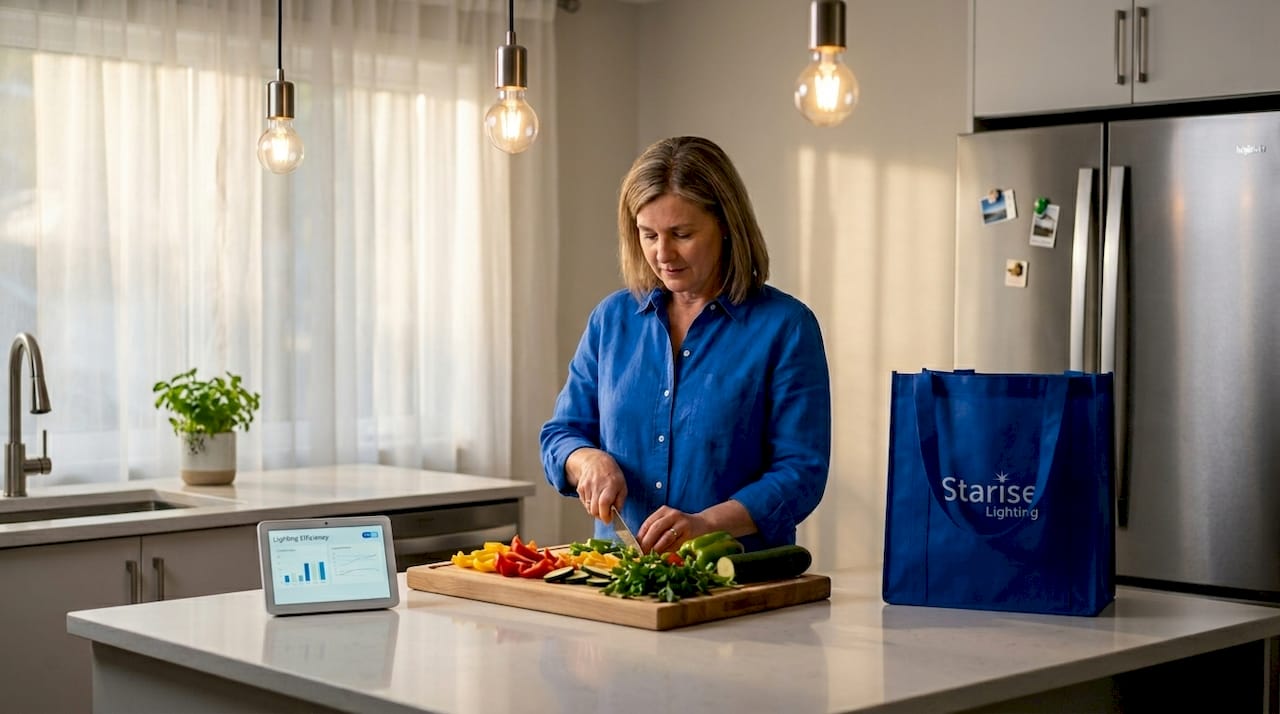
When you add daylight harvesting, which automatically dims lights in rooms receiving natural sunlight, the savings increase further. Daylight harvesting combined with LEDs delivers an additional 15 to 25% reduction beyond what occupancy sensors achieve on their own.
| Automation feature | Estimated energy saving |
|---|---|
| LED conversion only | 20 to 30% |
| LED + occupancy sensors | 40 to 55% |
| LED + sensors + daylight harvesting | 55 to 70% |
| Peak-hour automated dimming | Additional 5 to 10% |
"Lighting control systems that evaluate occupancy, ambient light, and time of day simultaneously prevent unnecessary energy use far more effectively than any single trigger alone." — Role of lighting control in smart homes
The payback period for most automated lighting investments falls between 18 and 36 months. After that, every month of savings is money back in your pocket with no additional effort.
4. Security and safety you can see and measure
Motion-activated exterior lighting is one of the most well-documented deterrents to property crime. Homes with automated security lighting experience 40% fewer break-ins than comparable properties without it. That number alone justifies the installation cost for many homeowners.
The smart home lighting perks here extend beyond basic deterrence:
- Camera-integrated floodlights activate the moment motion is detected, capturing clear footage while simultaneously alerting you on your phone.
- Vacation mode uses randomised schedules to simulate occupancy when you are away. A home that looks lived in is far less appealing to an opportunistic intruder.
- Emergency lighting sequences can be programmed to guide family members outside during a fire or power event, using battery-backed fixtures or low-voltage LED strips along exit paths.
- Automatic night lighting in bathrooms and hallways reduces the risk of trips and falls, which is particularly relevant for homes with children or elderly residents.
Pairing your automated lighting with a system like Co-starise's permanent outdoor fixtures adds another layer. Weatherproof fixtures that cannot be easily removed or disabled offer reliable, year-round protection in climates like Calgary's, where temperature extremes rule out many consumer-grade alternatives. Learn more about outdoor security lighting features built specifically for Canadian conditions.
5. Aesthetic appeal and atmosphere on demand
Here is the benefit that photographs well and sells homes. Lighting automation lets you treat your home like a stage. Every room can have a mood. Every gathering can have the right atmosphere without you touching a single switch or dimmer.
The home lighting technology advantages in this category include:
- Circadian rhythm lighting gradually shifts colour temperature from cool and energising in the morning to warm and relaxing by evening. Research consistently links this kind of lighting variation to better sleep quality and more natural daily energy levels.
- Gradual dimming sequences at bedtime signal to your body that the day is ending, replacing the harsh cut from bright to black.
- Outdoor landscape lighting highlights architectural features, gardens, and driveways after dark, transforming your home's kerb appeal from ordinary to genuinely striking.
- Entertainment scenes boost colour saturation for movie nights or sports watching, while dinner party presets soften everything to a warm, flattering glow.
Pro Tip: Programme a "sunrise" scene in your bedroom that begins at low, warm light 20 minutes before your alarm. It makes waking up noticeably easier, especially through Canadian winters when mornings are dark until well past 8 a.m.
Permanent outdoor lighting takes the aesthetic advantage even further. Unlike seasonal clip-on lights, a properly designed outdoor lighting system follows your roofline and landscaping year-round, changing colour and effect through an app to match any season or occasion.
6. Increased home value and market appeal
Smart lighting is no longer a luxury feature. It is increasingly expected by buyers in the mid-to-upper residential market. Studies show that smart home features like lighting automation can add 3 to 5% to a home's resale value, which translates to roughly $3,000 to $5,000 on an average Canadian home.
| Feature | Buyer perception | Estimated value added |
|---|---|---|
| Basic smart bulbs | Minor upgrade | Under $500 |
| App-controlled scenes + dimmers | Modern convenience | $1,000 to $2,000 |
| Fully automated indoor + outdoor | Premium, move-in ready | $3,000 to $5,000+ |
| Permanent weatherproof outdoor lighting | High-end, year-round | $5,000 to $8,000+ |
Modern buyers prioritise energy efficiency and security above almost every other feature. A home that already delivers both through a working, professionally installed lighting system communicates value before a single offer is made. For Calgary and Edmonton homeowners, you can find specific lighting investment strategies that align with what local buyers actually pay a premium for.
7. Wireless installation without major renovations
One practical barrier that used to slow homeowners down was the assumption that automation required new wiring throughout the house. That is no longer accurate. Wireless mesh protocols like Thread and Matter have made it possible to retrofit almost any existing home with smart lighting without opening a single wall.
This is a meaningful shift. It means the improvements from lighting automation are accessible in older homes, rental properties you own, and heritage buildings where invasive wiring is not an option. A qualified installer can assess your space and recommend which wireless protocol suits your layout and device ecosystem best.
8. Reliability when the internet goes down
A common concern homeowners raise is what happens to their lighting system if the internet connection drops. The answer, with a well-designed setup, is: nothing changes.
Local, event-driven automation keeps all sensor triggers, schedules, and scene controls working on your local network, independent of cloud connectivity. This reliability distinction separates thoughtfully designed systems from bargain alternatives that depend entirely on remote servers. Your motion sensors still activate. Your schedules still run. Your security lighting still works.
9. Remote monitoring and control from anywhere
The ability to manage your home's lighting from the other side of the country is genuinely useful, not just a novelty. If you are away on a business trip and you want your exterior lights on before your family gets home, you handle it from your phone in under ten seconds.
This remote capability pairs particularly well with vacation simulation features. You are not just turning lights on from far away. You are creating the appearance of normal household activity that actively discourages break-ins. The smart home lighting perks here are most valuable for homeowners who travel frequently or own secondary properties.
10. Reduced maintenance with permanent, automated systems
Traditional lighting requires bulb replacements, seasonal installations, and manual adjustments. Automated systems, particularly permanent outdoor LED solutions, eliminate nearly all of that ongoing effort. Modern LED fixtures are rated for tens of thousands of hours of operation, and weatherproof construction means no annual teardown or reinstallation.
For homeowners in Calgary and surrounding areas, this benefit is especially relevant. Permanent outdoor lights that run on a 24V low-voltage system and app-controlled schedules require no climbing ladders every November and no storing tangled cables every January. The system runs, seasons change, and your lighting adapts through the app.
My honest take on where most homeowners go wrong
I've seen dozens of homeowners approach lighting automation the same way. They research it for weeks, then either buy a bag of smart bulbs and lose interest, or they go all-in on a complicated system with too many triggers and end up frustrated when lights cut out while they are still sitting in a room.
The most common mistake is skipping the basics. Starting with smart dimmers is consistently the highest-value first step. They work with your existing fixtures. They deliver immediate energy savings and a noticeably premium feel. They give you a chance to build habits around automation before you commit to replacing everything.
The second mistake is aggressive sensor settings. I've watched homeowners set occupancy timeouts to 30 seconds and then spend a week annoyed every time their office goes dark while they are thinking. Calibrate sensor timeouts based on actual room use patterns, not what feels logical in the store.
My take is this: the best lighting automation is the kind you stop noticing. It just works. It matches your schedule, responds to your presence, and looks good doing it. Start small, calibrate carefully, and expand when the first zone earns your trust.
— Starise
Bring these advantages home with Co-starise
If you are serious about capturing the full range of these benefits, particularly the security, aesthetic, and resale value advantages, Co-starise specialises in permanent outdoor LED lighting systems designed for Canadian homes. With over 1,392 installations across Calgary and Edmonton, Co-starise installs Gen 2 24V weatherproof fixtures that run year-round, look exceptional, and operate entirely through a user-friendly app. No seasonal removal. No compromised performance in February. Explore permanent lighting in Calgary or check out Edmonton permanent lighting options to get a customised quote and see what a professionally designed system looks like on homes similar to yours.
FAQ
How much energy does automated lighting actually save?
Smart lighting automation reduces lighting energy consumption by 40 to 60%, with occupancy sensors and daylight harvesting adding a further 15 to 25% on top of that.
Does automated lighting increase home resale value?
Yes. Smart lighting can add 3 to 5% to a home's resale value, and professional installation signals move-in-ready quality to buyers who prioritise energy efficiency and security.
What happens to my automated lights if my internet goes out?
A properly designed system uses local automation, meaning schedules, motion triggers, and scene controls continue working on your home network without any cloud dependency.
How difficult is it to install smart lighting in an older home?
Wireless protocols like Thread and Matter make retrofitting older homes straightforward, often requiring no new wiring and minimal disruption to existing walls or fixtures.
Where should I start if I am new to lighting automation?
Begin with smart dimmers on your most-used rooms. They deliver immediate comfort and energy savings, work with existing fixtures, and give you a practical foundation before expanding to sensors and outdoor systems.