
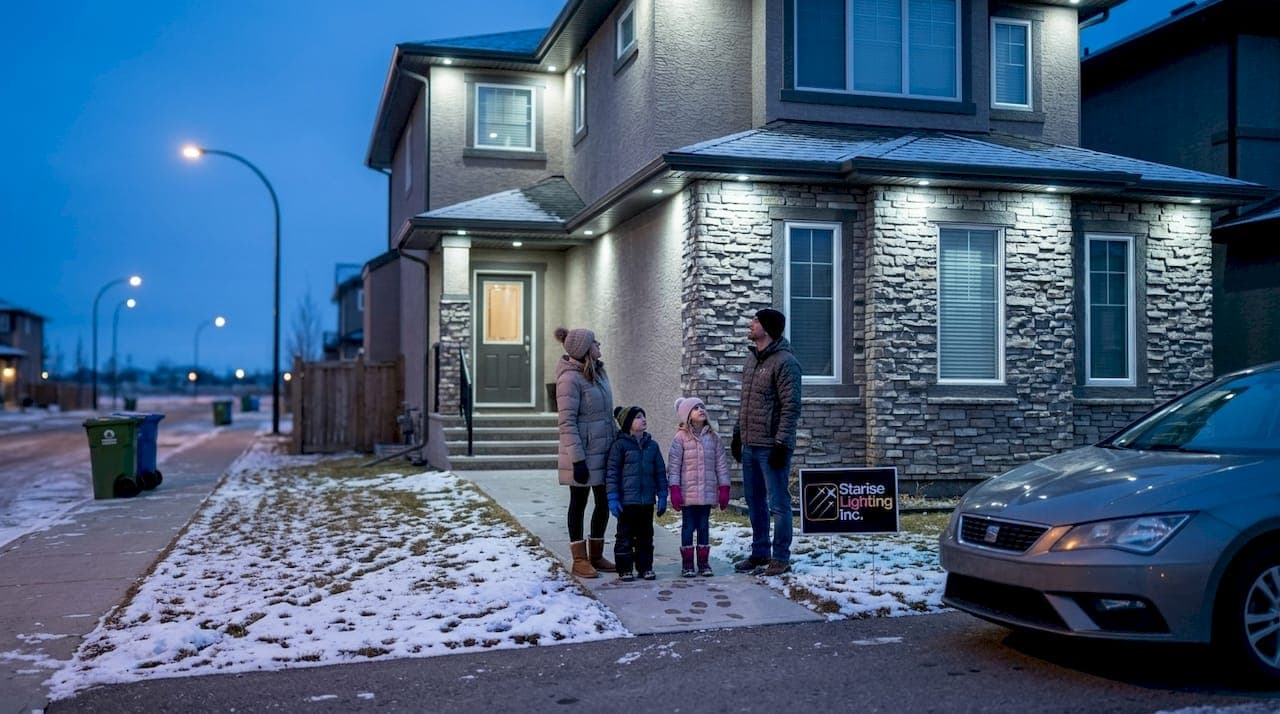
Many Calgary homeowners believe exterior lighting is purely decorative, a luxury reserved for special occasions or holidays. This misconception costs you real value. Exterior lighting effects blend aesthetics with practical security and safety enhancements, transforming your property into a welcoming, protected space year-round. This guide defines exterior lighting effects specifically for Calgary homes using permanent LED solutions, showing you how to combine visual appeal with functional benefits that withstand harsh winters and deliver measurable returns on investment.
Table of Contents
- What are exterior lighting effects?
- Key mechanics and lighting techniques for Calgary homes
- Nuances of grazing and washing wall lighting techniques
- Practical application: choosing permanent LED lighting for durability, aesthetics, and security
- Enhance your Calgary home's exterior with permanent LED lighting
- Frequently asked questions about exterior lighting effects
Key takeaways
| Point | Details |
|---|---|
| Combined benefits | Exterior lighting effects deliver both curb appeal and enhanced security through strategic illumination. |
| Core techniques | Uplighting, grazing, washing, and floodlighting create distinct moods and highlight architectural features. |
| Calgary durability | IP67-rated permanent LED fixtures withstand temperatures to -40°C for reliable year-round performance. |
| Layered approach | Ambient, task, and accent lighting optimise uniformity and usability across your property. |
| Smart efficiency | Photometric planning and app controls ensure energy savings and compliance with local standards. |
What are exterior lighting effects?
Exterior lighting effects combine aesthetics and functionality to enhance property features through strategic illumination. You create these effects by directing light onto architectural elements, landscaping, and pathways in ways that serve multiple purposes simultaneously. A well-lit entrance deters intruders whilst welcoming guests. Accent lighting on stone columns adds visual drama whilst marking property boundaries clearly.
Typical effects include accentuating architecture, creating ambience, and improving safety and security. Each effect requires specific techniques and fixture placements to achieve the desired outcome. Calgary's unique climate demands solutions that perform reliably through brutal winters and intense summer sun, making permanent LED installations the preferred choice for homeowners seeking long-term value.
Common lighting techniques produce distinct results:
- Uplighting casts light upward from ground level to emphasise vertical features like trees, columns, or building facades
- Downlighting mimics natural moonlight by positioning fixtures above eye level to illuminate pathways and seating areas
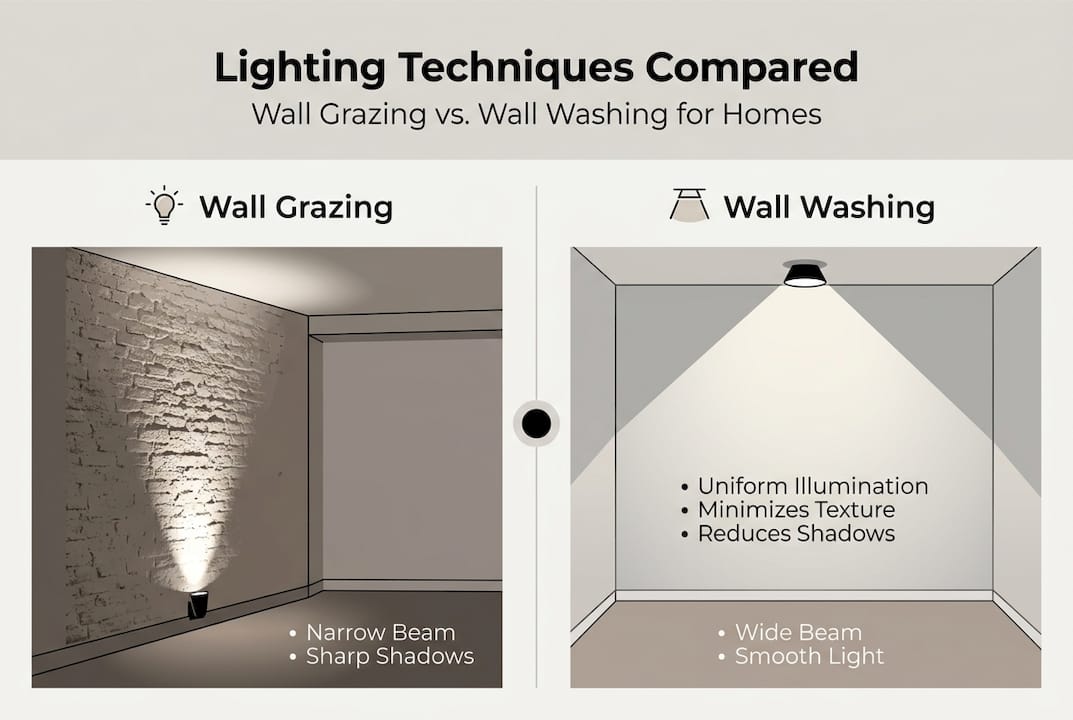
- Grazing places narrow beams close to textured surfaces to create dramatic shadows that highlight stone, brick, or wood grain
- Washing uses wider beams from a distance to create smooth, uniform illumination that minimises surface imperfections
- Flooding provides broad, intense light for security coverage of driveways, backyards, and entry points
Each technique produces distinct shadows, textures, and light distributions that change how viewers perceive your home's architecture. Grazing a rough stone facade reveals every crevice and adds depth, whilst washing the same surface creates a clean, modern appearance. The choice depends on your aesthetic goals and the architectural character you want to emphasise.
Permanent LED lighting is preferred for durability and efficiency in Calgary winters because these systems withstand temperature extremes, eliminate the hassle of seasonal installation and removal, and deliver consistent performance year after year. When you enhance curb appeal with permanent outdoor LED lighting, you invest in a solution that works as hard in January as it does in July.
Key mechanics and lighting techniques for Calgary homes
Understanding the technical components behind exterior lighting effects helps you make informed decisions about fixture selection and placement. Three fundamental layers work together to create comprehensive illumination. Ambient light provides overall visibility across your property, establishing a base level of illumination that makes outdoor spaces usable after dark. Task lighting targets specific functional areas like pathways, steps, and entrances where focused visibility prevents accidents and guides movement. Accent lighting highlights architectural features, landscaping elements, or decorative details that deserve attention.
IES standards guide average foot-candle levels and uniformity for safety and visual comfort. These benchmarks help you avoid over-lighting or under-lighting spaces. Residential pathways typically require 0.5 to 1.0 foot-candles for safe navigation, whilst entrance areas benefit from 5 to 10 foot-candles to identify visitors clearly. Uniformity ratios ensure smooth transitions between lit and unlit areas, reducing harsh contrasts that create glare or blind spots.
Beam angles affect how light plays off surfaces, making them critical for creating specific effects. Narrow beams between 10° and 25° concentrate light into tight spots, ideal for grazing textured walls or uplighting tall trees. Medium beams from 25° to 40° suit general accent lighting on architectural features. Wide beams exceeding 40° spread light broadly for washing large surfaces or providing flood coverage. Calgary's stone and brick facades respond dramatically to narrow beam grazing, revealing craftsmanship details invisible under flat illumination.
Colour temperature varies between warm and cool tones, each serving distinct purposes:
- Warm white (2700K to 3000K) creates cosy, inviting ambience for entertaining spaces and main entrances
- Neutral white (3500K to 4000K) balances warmth and clarity for general landscape and pathway lighting
- Cool white (4000K to 5000K) enhances security visibility and makes colours appear crisp and vibrant
High CRI LEDs enhance true colours of landscaping and building materials, making reds richer, greens more vibrant, and stone tones more authentic. A CRI rating above 80 ensures your carefully chosen exterior finishes and plantings appear as intended under artificial light.
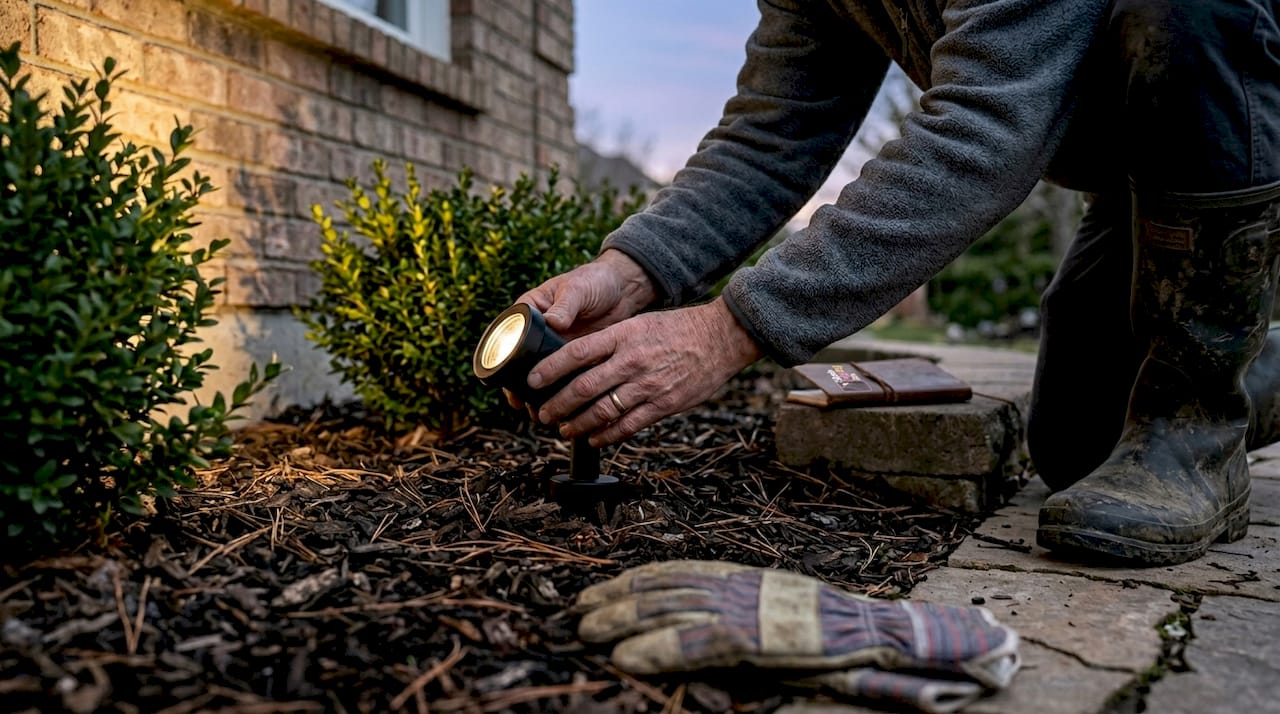
Pro Tip: Mix colour temperatures strategically across your property. Use warm white near seating areas and entrances for a welcoming feel, then switch to cool white for perimeter security lighting and task areas. The best residential lighting solutions for Calgary homes in 2026 incorporate this layered approach to balance aesthetics with functionality.
| Lighting layer | Purpose | Typical foot-candles | Best colour temp |
|---|---|---|---|
| Ambient | Overall visibility | 0.2 to 0.5 | 3000K to 3500K |
| Task | Pathways, steps, entries | 0.5 to 10.0 | 3500K to 4000K |
| Accent | Features, landscaping | 5.0 to 20.0 | 2700K to 4000K |
| Security | Perimeter, driveways | 1.0 to 5.0 | 4000K to 5000K |
Nuances of grazing and washing wall lighting techniques
Grazing and washing represent two fundamental approaches to illuminating vertical surfaces, each creating distinctly different visual effects. Understanding when to use each technique gives you precise control over how your home's exterior appears after dark.
Grazing uses narrow beams set close to the wall to exaggerate textures and create dramatic shadows. Fixtures mount 6 to 12 inches from the surface with beam angles between 10° and 25°. Light skims across the wall at a sharp angle, catching every ridge, groove, and texture variation. This technique transforms ordinary brick into a three-dimensional tapestry of light and shadow, making rough stone appear even more rugged and emphasising the craftsmanship in decorative masonry.
Washing uses wider beams from a distance to create smooth, uniform illumination that conceals surface imperfections. Fixtures mount approximately one-third the wall height away from the surface, using beam angles between 40° and 120°. Light strikes the wall more directly, filling in shadows and creating an even glow. This technique makes painted surfaces appear flawless, minimises the visual impact of cracks or discolouration, and creates a clean, modern aesthetic.
Choosing between techniques affects your home's aesthetic character and perceived depth significantly. Grazing adds drama, dimension, and visual interest to textured surfaces, making them the focal point of your exterior design. Washing creates a subtle backdrop that allows other elements like landscaping or architectural details to take centre stage. Calgary's stone and brick facades benefit from grazing to showcase craftsmanship, whilst smooth stucco or painted surfaces often look better with washing.
Pro Tip: Walk around your home at dusk and identify which surfaces have interesting textures worth highlighting versus which surfaces you'd prefer to keep subtle. Use grazing selectively on your best architectural features rather than attempting to graze every wall, which can create visual chaos.
| Technique | Beam angle | Distance from wall | Best surfaces | Visual effect |
|---|---|---|---|---|
| Grazing | 10° to 25° | 6 to 12 inches | Stone, brick, wood, textured | Dramatic shadows, emphasised texture, depth |
| Washing | 40° to 120° | 1/3 wall height | Smooth stucco, painted, flat | Even illumination, minimised imperfections, clean |
Proper installation avoids glare and light trespass that annoy neighbours and violate local ordinances. Position fixtures below eye level or shield them with louvers and baffles to prevent direct viewing of the light source. Aim light precisely at your intended target rather than allowing it to spill onto adjacent properties or into bedroom windows. When you improve home safety with outdoor LED lighting in Calgary for 2026, responsible installation ensures your security enhancements don't create nuisance issues that undermine community relationships.
The choice between wall washing and wall grazing ultimately depends on whether you want to reveal or conceal surface characteristics. Both techniques serve important roles in comprehensive exterior lighting design, often used together on different surfaces of the same property.
Practical application: choosing permanent LED lighting for durability, aesthetics, and security
Translating lighting theory into real-world Calgary installations requires attention to climate demands, energy efficiency, and smart technology integration. Your selection process should follow these priorities:
- Assess your property's architectural features and identify which elements deserve accent lighting versus functional illumination
- Determine your primary goals, whether emphasising curb appeal, enhancing security, or balancing both objectives equally
- Calculate coverage areas for ambient, task, and accent lighting layers using the foot-candle guidelines discussed earlier
- Select fixtures rated for Calgary's temperature extremes and precipitation patterns
- Plan control systems that allow scheduling, colour changes, and motion activation
- Budget for professional installation that ensures proper mounting, wiring, and weatherproofing
Start with permanent LED tracks at $20 to $30 per linear foot for rooflines and soffits. These systems mount once and provide year-round functionality, eliminating the labour and storage hassles of temporary lighting. Modern tracks accommodate individually addressable LEDs that create millions of colour combinations and animated effects through smartphone apps. You programme different scenes for holidays, special occasions, or everyday ambience, then switch between them instantly.
Add motion-activated floodlights and pathway lighting for security and energy efficiency. Motion sensors trigger bright illumination when movement is detected, startling potential intruders whilst conserving energy during inactive periods. Position floodlights to cover vulnerable entry points like side gates, basement windows, and back doors. Pathway lights with photocells activate automatically at dusk, ensuring safe navigation without manual intervention.
Calgary's permanent LEDs require IP67 or higher ratings and tolerance to temperatures reaching -40°C. The IP67 rating guarantees protection against dust ingress and temporary water immersion, essential for surviving spring runoff and winter ice buildup. Temperature tolerance ensures LEDs maintain brightness and colour consistency through extreme cold snaps that cause inferior products to fail or dim significantly.
Materials matter as much as ratings:
- Aluminium housings resist corrosion and dissipate heat effectively
- Tempered glass or polycarbonate lenses withstand hail and impact
- Silicone gaskets remain flexible in cold temperatures, maintaining waterproof seals
- Stainless steel hardware prevents rust and loosening from freeze-thaw cycles
Use layering and app controls to create ambience and discourage unwanted visitors simultaneously. Programme your system to maintain low-level ambient lighting throughout the evening, then trigger brighter security modes if motion is detected after midnight. Schedule accent lighting to shut off at bedtime whilst keeping pathway and entry lights active all night. This approach balances aesthetic enjoyment with practical security without leaving everything blazing unnecessarily.
Energy savings and curb appeal justify the upfront investment quickly. LED technology consumes 60% to 70% less electricity than incandescent or halogen alternatives, reducing your monthly utility costs significantly. Permanent installations eliminate the recurring expense of hiring professionals to hang and remove temporary lights each season. Enhanced curb appeal increases property values by 7% to 10% according to real estate assessments, making exterior lighting one of the highest-ROI home improvements available.
Pro Tip: Request a photometric plan from your installer before committing to fixture placement. This computer-generated visualization shows predicted light levels across your property, helping you avoid over-lit or under-lit areas before installation begins. Professional planning prevents costly repositioning and ensures you achieve your aesthetic and functional goals on the first attempt.
Explore permanent lights for Calgary installs to see examples of layered lighting designs that balance beauty with security. Compare permanent versus temporary lights in Calgary to understand the long-term value proposition of investing in quality systems designed for year-round use.
Enhance your Calgary home's exterior with permanent LED lighting
You've learned how exterior lighting effects combine aesthetics with security, discovered the techniques that create dramatic visual impacts, and explored the practical considerations for Calgary's demanding climate. Now it's time to transform that knowledge into a tangible upgrade for your property.
Starise Lighting specialises in durable, energy-efficient permanent LED exterior lighting tailored specifically for Calgary homeowners who refuse to compromise on quality or performance. Our proven installations combine aesthetic appeal, safety enhancements, and smart technology integration that works reliably through every season. We handle design, permitting, installation, and ongoing support, ensuring your investment delivers the results you expect. Contact us today to schedule a consultation and discover how professional exterior lighting can elevate your home's curb appeal whilst providing the security and functionality your family deserves. Visit permanent lights for Calgary or explore our permanent lights for Edmonton service area to get started.
Frequently asked questions about exterior lighting effects
What are the common types of exterior lighting effects used on homes?
The most common effects include uplighting to emphasise vertical features, downlighting for pathway illumination, grazing to highlight textured surfaces, washing for smooth uniform coverage, and floodlighting for security. Each technique serves specific aesthetic or functional purposes depending on your property's architecture and your goals.
How does permanent LED lighting compare to solar options for Calgary winters?
Permanent LED systems connected to mains power deliver consistent brightness regardless of weather, whilst solar fixtures struggle during Calgary's short winter days and heavy snow cover that blocks panels. LEDs provide reliable performance year-round, making them the superior choice for security and aesthetic applications that demand dependable operation.
What is the recommended colour temperature for outdoor lighting?
Warm white between 2700K and 3000K creates inviting ambience for entertaining areas, whilst cool white from 4000K to 5000K enhances security visibility. Most Calgary homeowners benefit from mixing temperatures strategically, using warm tones near entrances and cool tones for perimeter security. Learn more about enhancing curb appeal with permanent outdoor LED lighting.
How can exterior lighting improve home security effectively?
Motion-activated floodlights startle intruders and alert you to movement, whilst continuous pathway and entry lighting eliminates hiding spots and makes surveillance cameras more effective. Layered lighting that maintains low ambient levels with triggered bright modes provides both deterrence and energy efficiency. Visible exterior lighting signals that your property is monitored and protected.
Are professional photometric plans necessary for exterior lighting design?
Photometric plans aren't legally required but prove invaluable for optimising fixture placement and avoiding over-lighting or under-lighting. These computer models predict light levels across your property before installation, preventing costly repositioning and ensuring you achieve desired aesthetic and functional outcomes on the first attempt.